
Imagine this: You’re courtside at BK Arena in Kigali, the energy electric as the shot…
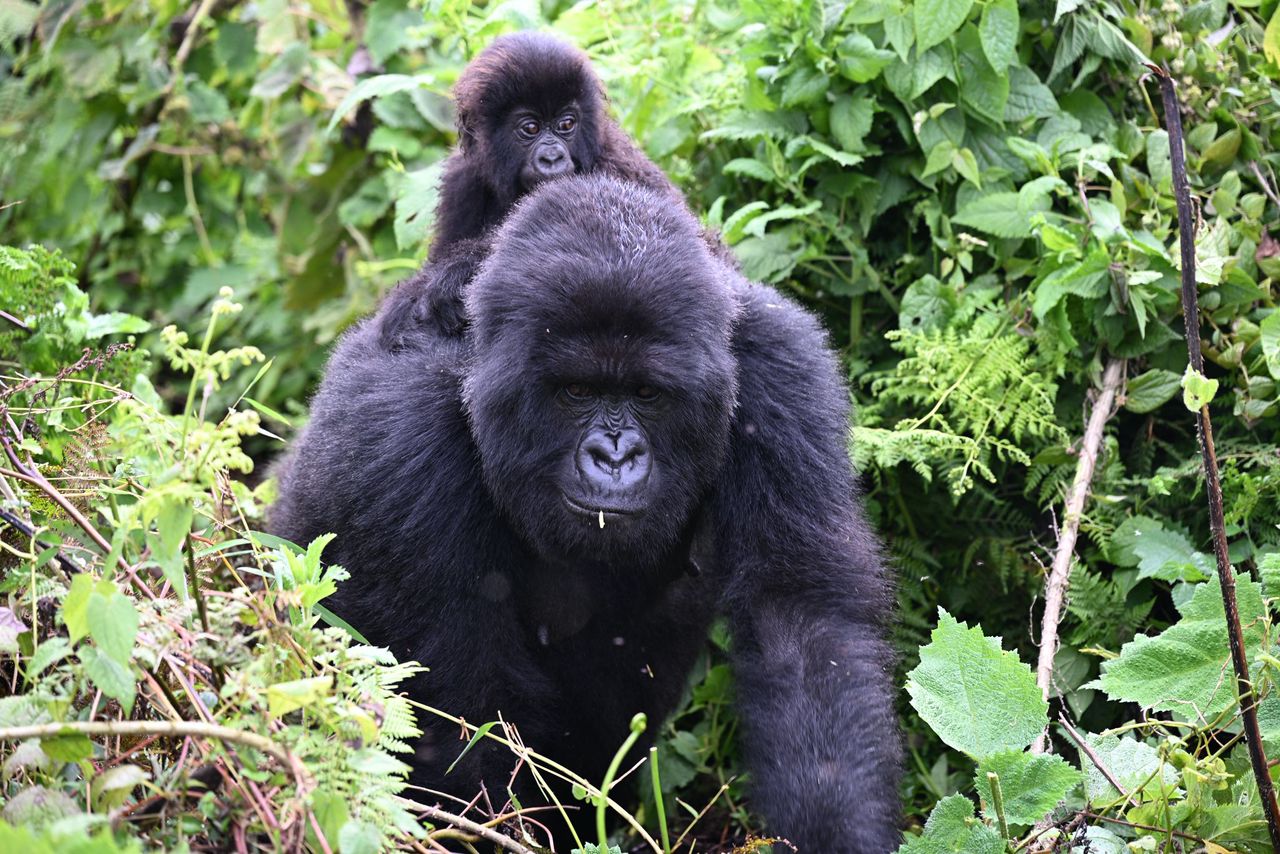
What to Pack for Gorilla Trekking in Rwanda: The Ultimate 2026 Packing Guide
You’ve secured your gorilla trekking permit, booked your luxury lodge, and you’re counting down the days until your encounter with Rwanda’s magnificent mountain gorillas. But there’s one crucial question keeping you awake at night: What exactly should you pack for gorilla trekking?
After guiding hundreds of travelers through the misty forests of Volcanoes National Park, we’ve seen it all—from tourists in pristine white sneakers (rookie mistake) to over-prepared hikers carrying 40-pound backpacks through the bamboo forests. The truth is, packing correctly can make the difference between a comfortable, magical experience and an exhausting, uncomfortable slog through the mountains.
This comprehensive guide reveals exactly what to pack for your Rwanda gorilla trekking adventure, based on real-world experience from our expert guides at Gorilla Quest Africa.
Gorilla Trekking in Volcanoes National Park. Start planning your journey with us today.
Understanding the Gorilla Trekking Environment
Before we dive into the packing list, you need to understand where you’re going. Volcanoes National Park sits at altitudes between 2,400 and 4,000 meters in northwestern Rwanda, where five volcanic peaks create a unique microclimate.
Environmental factors that affect your packing:
- Temperature: Ranges from 10-20°C (50-68°F), but feels colder due to altitude and humidity
- Terrain: Steep volcanic slopes, dense bamboo forests, muddy trails, thick vegetation
- Weather: Unpredictable—rain possible any month, even during “dry” seasons
- Trek Duration: 30 minutes to 6+ hours depending on gorilla family location
- Altitude: Thin air at 2,500-4,000 meters affects stamina and breathing
This isn’t a casual nature walk. You’ll be hiking through challenging terrain, potentially in rain, at high altitude, while maintaining the flexibility to move quietly and quickly when you encounter your gorilla family.
Get Your Gorilla Trekking in Rwanda permit with Trusted Rwanda Safari Experts
Essential Clothing for Gorilla Trekking
1. Waterproof Rain Jacket (Non-Negotiable)
The single most important item in your pack. Rwanda’s weather is famously unpredictable, and mountain rains can appear within minutes even during dry season.
What to look for:
- Breathable, waterproof material (Gore-Tex or similar)
- Hood that fits over a hat
- Pit zips for ventilation during uphill climbs
- Neutral colors (olive, brown, khaki—avoid bright colors that might disturb gorillas)
Recommended brands: Arc’teryx Beta AR, Patagonia Torrentshell, Columbia OutDry
Pro tip: Many luxury lodges provide rain jackets, but they’re often one-size-fits-all. Bring your own for proper fit and comfort.
2. Long-Sleeve Shirts and Pants
You’ll be pushing through thick vegetation, stinging nettles, and brambles. Full coverage protects your skin and prevents scratches.
Specifications:
- Material: Quick-dry, moisture-wicking synthetic or merino wool
- Color: Earth tones (green, brown, khaki, olive)—never camouflage (illegal in Rwanda)
- Avoid: Cotton (stays wet), white (shows dirt immediately), bright colors
- Quantity: 2 sets if trekking multiple days
Why long pants matter: Short vegetation can harbor safari ants, and nettles cause temporary skin irritation. Rangers will turn you away if you arrive in shorts.
3. Hiking Boots (Absolutely Critical)
This is not the place for tennis shoes or casual sneakers. Trails become slippery mud baths, especially during rainy season.
Requirements:
- Waterproof ankle support boots
- Deep tread for mud grip
- Already broken in (do NOT bring new boots)
- Can get extremely muddy (bring boots you don’t mind destroying)
Best options:
- Salomon Quest 4D GTX
- Merrell Moab 2 Mid Waterproof
- Lowa Renegade GTX
Critical mistake to avoid: Wearing brand new boots causes blisters that will ruin your trek. Break them in with 20+ miles of hiking before your trip.
4. Gardening or Work Gloves
Sounds odd, but experienced trekkers swear by them. You’ll grab vegetation, bamboo, and tree branches to pull yourself up steep sections.
Why you need them:
- Prevent scratches and splinters
- Better grip on slippery bamboo
- Protection from stinging nettles
- Cost: $5-10 at any hardware store
Alternative: Lightweight tactical gloves or golf gloves
5. Gaiters
These leg coverings attach to your boots and protect your lower legs from mud, rain, and vegetation.
Benefits:
- Keep pants dry and mud-free
- Prevent debris from entering boots
- Additional protection from ants and nettles
- Make post-trek cleanup easier
Not essential but highly recommended, especially during March-May and October-November rainy periods.
6. Moisture-Wicking Base Layers
The combination of physical exertion, altitude, and humidity means you’ll sweat—a lot.
Pack:
- 1-2 long-sleeve base layer tops
- 1 pair thermal leggings (for early morning starts)
- Sports bra for women (high-impact, moisture-wicking)
Material: Merino wool or synthetic (never cotton)
Every traveler is different—and your safari should be too. Reach out now and receive your tailored safari plan within 24 hours.
Gear and Equipment Essentials
7. Daypack (20-30 Liter)
You’ll carry everything on your back during the trek.
Specifications:
- Waterproof or with rain cover
- Padded shoulder straps
- Hip belt for weight distribution
- 20-30L capacity (bigger is unnecessary)
What goes in it: Water, snacks, camera, extra layer, rain gear, first aid
Pro tip: Pack light. You’re hiking at altitude—every extra pound matters.
8. Trekking Poles
Optional but transformative, especially for descent on slippery trails.
Benefits:
- Reduce knee strain on steep descents
- Extra stability on muddy sections
- Help with river crossings
- Assist during altitude fatigue
Note: Some travelers use the walking stick provided by park rangers (included with your permit), but collapsible trekking poles offer better support.
9. Water Bottle or Hydration System
Altitude and physical exertion demand proper hydration.
Recommended:
- 2-3 liters minimum water capacity
- Insulated bottle (keeps water cool)
- Hydration bladder for hands-free drinking
Refill opportunity: Most lodges provide complimentary bottled water for your trek.
10. High-Energy Snacks
You might be hiking for 6+ hours. Bring portable, high-calorie foods.
Best options:
- Energy bars (CLIF, RX Bars)
- Trail mix with nuts and dried fruit
- Chocolate (quick energy boost)
- Beef jerky or protein-based snacks
Avoid: Noisy wrappers (disturb gorillas), overly fragrant foods
Photography Equipment
11. Camera with Appropriate Settings
Flash photography is strictly forbidden around gorillas. Dense forest = low light.
Camera settings:
- ISO: 800-3200
- Shutter speed: Minimum 1/250 for moving gorillas
- Aperture: f/2.8-f/5.6
- Lens: 24-200mm zoom ideal
Smartphone users: Modern phones (iPhone 14+, Samsung Galaxy S23+) work surprisingly well with their improved low-light capabilities.
12. Lens Cloth and Protective Bag
Humidity and rain threaten camera equipment.
Protection needed:
- Microfiber lens cloth (pack 2-3)
- Waterproof camera bag or rain sleeve
- Silica gel packets to combat moisture
- Lens hood to shed rain
Insurance tip: Check if your travel insurance covers camera equipment. High-end gear is vulnerable in these conditions.
Health and Safety Items
13. First Aid Kit
Basic supplies for minor issues during the trek.
Include:
- Blister treatment (Compeed patches)
- Pain relievers (ibuprofen for muscle soreness)
- Antihistamine (for insect bites, allergies)
- Bandages and antiseptic wipes
- Personal prescription medications
Note: Your guide carries a comprehensive first aid kit, but personal supplies offer peace of mind.
14. Insect Repellent
Safari ants and mosquitoes inhabit the forest.
Specifications:
- DEET 30% or higher
- Apply to clothing, not just skin
- Reapply every 4-6 hours
Myth buster: Volcanoes National Park has minimal malaria risk due to altitude, but use repellent anyway.
15. Sunscreen and Lip Balm
At 2,500+ meters altitude, UV rays are stronger than you expect.
Requirements:
- SPF 50+ broad-spectrum sunscreen
- Lip balm with SPF protection
- Apply to face, neck, and hands
Reapplication: Every 2 hours during the trek, especially on sunny days.
Toiletries and Personal Items
16. Biodegradable Wet Wipes
There are no bathroom facilities on the trail.
Uses:
- Hand cleaning after trail bathroom breaks
- Post-trek cleanup before returning to lodge
- Quick refreshment during long treks
Environmental note: Only use biodegradable options to protect the park ecosystem.
17. Small Towel
Microfiber travel towel for sweat and rain.
Specifications:
- Quick-dry material
- Compact size (hand towel or smaller)
- Lightweight and packable
Uses: Wiping sweat, drying hands, emergency rain protection for camera
What NOT to Pack
Equally important is knowing what to leave at the lodge.
Items That Will Get You Denied Entry:
1. Camouflage Clothing Illegal in Rwanda due to military associations. Rangers will refuse entry. Stick to solid earth tones.
2. Strong Perfumes or Colognes Human scents can disturb gorillas and affect their behavior. Skip all fragrances on trek day.
3. Food with Strong Odors Aromatic foods might attract unwanted wildlife or create distractions. Stick to neutral energy bars.
4. Excessive Jewelry Dangly earrings, multiple bracelets, and flashy jewelry can catch on vegetation. Keep it minimal.
5. Large, Noisy Backpacks Oversized packs with jangling buckles disturb the forest environment. A 20-30L pack is sufficient.
Embark on a Cultural Expedition Tours in Rwanda
Season-Specific Packing Adjustments
Dry Season (June-September, December-February)
Additional items:
- Lightweight fleece for cool mornings
- Less emphasis on heavy rain gear (though still bring it)
- Dust mask for dry, dusty trails
- Extra sunscreen (clearer skies = more UV exposure)
Advantages: Lighter packing overall, less mud concern
Rainy Season (March-May, October-November)
Essential additions:
- Waterproof pack liner or dry bags
- Extra pair of socks (feet will get wet)
- Plastic bags for dirty, muddy boots
- More aggressive rain protection
- Quick-dry clothing exclusively
Reality check: Trails can become extremely muddy. Prepare for wet conditions regardless of forecast.
Best Time to Visit Rwanda for Gorilla Trekking and Safaris
Porter Service: The Smart Packing Hack
Here’s a secret that transforms your trekking experience: hire a porter.
Why this matters:
- Porters carry your daypack for $15-20
- You trek with just camera and water
- Frees your hands for balance and photography
- Supports local communities (many are former poachers turned conservationists)
- Makes steep climbs significantly easier at altitude
Cultural note: Porter service directly supports sustainable conservation. These individuals have transitioned from poaching to protecting the gorillas, earning income through tourism.
What you can give them: Your daypack (they’ll carry up to 15kg), allowing you to focus entirely on the experience rather than gear management.
Complete Gorilla Trekking in Rwanda Packing Checklist
Clothing:
- ☐ Waterproof rain jacket (breathable)
- ☐ Long-sleeve moisture-wicking shirt (2)
- ☐ Long hiking pants (earth tones, 2 pairs)
- ☐ Waterproof hiking boots (broken in)
- ☐ Moisture-wicking socks (2-3 pairs)
- ☐ Lightweight fleece or insulating layer
- ☐ Wide-brimmed hat or baseball cap
- ☐ Gardening/work gloves
- ☐ Gaiters (optional but recommended)
- ☐ Base layers for cold mornings
Gear:
- ☐ Daypack (20-30L) with rain cover
- ☐ Trekking poles (optional)
- ☐ Water bottles (2-3L capacity)
- ☐ High-energy snacks
- ☐ Headlamp with extra batteries
- ☐ Dry bags or plastic bags
Photography:
- ☐ Camera with appropriate settings
- ☐ Extra batteries (cold reduces battery life)
- ☐ Memory cards (bring extras)
- ☐ Lens cloth (multiple)
- ☐ Waterproof camera protection
- ☐ Lens hood
Health & Safety:
- ☐ First aid kit with blister treatment
- ☐ Insect repellent (DEET 30%+)
- ☐ Sunscreen SPF 50+
- ☐ Lip balm with SPF
- ☐ Prescription medications
- ☐ Hand sanitizer
- ☐ Biodegradable wet wipes
- ☐ Tissues/toilet paper
Documents:
- ☐ Gorilla trekking permit (confirmation)
- ☐ Passport (copy)
- ☐ Travel insurance documents
- ☐ Emergency contact information
- ☐ Lodge booking confirmations
Optional Extras:
- ☐ Binoculars (for bird watching during trek)
- ☐ Small notebook and pen
- ☐ Backup smartphone for photos
- ☐ Portable phone charger
- ☐ Compression sacks for organizing
Pre-Trek Preparation Tips
Packing correctly is only part of the equation. Here’s how to prepare in the days before your trek:
3 Days Before:
- Start taking anti-inflammatory medication if you have joint concerns
- Hydrate extensively (altitude preparation)
- Avoid alcohol (dehydrates and affects altitude acclimatization)
- Get adequate sleep
Day Before:
- Lay out all gear and check the packing list
- Charge all electronics (cameras, phones, headlamps)
- Prepare snacks and fill water bottles
- Review gorilla encounter etiquette with your guide
- Set multiple alarms (briefing starts at 7:00 AM sharp)
Morning Of:
- Eat substantial breakfast (you’ll need the energy)
- Use bathroom facilities at lodge (none on trail)
- Apply sunscreen and insect repellent
- Wear your trekking clothes (don’t pack them)
- Bring porter fee in cash ($15-20)
Explore Volcanoes National Park Today
What Gorilla Quest Africa Provides
When you book your Gorilla Trekking in Rwanda safari with us, certain items are included to make your experience seamless:
Included in Your Package:
- Gorilla trekking permit ($1,500 value)
- Private 4×4 transportation to/from park headquarters
- Professional English-speaking guide
- Bottled water for the trek
- Packed lunch or snacks
- Walking stick (provided by park rangers)
- Emergency communication devices
Available at Luxury Partner Lodges:
- Rain jackets (though we recommend bringing your own)
- Laundry service for muddy clothing
- Gear drying facilities
- Porter fee payment assistance
What You Need to Bring: Everything on the packing checklist above, particularly proper boots, clothing, and camera equipment.
Book your tour today and discover why Rwanda is one of the top destinations for gorilla trekking in Africa.
Post-Trek: What to Do with Muddy Gear
Your boots and pants will be caked in volcanic mud. Here’s the protocol:
- At the Lodge: Most luxury properties provide:
- Outdoor cleaning stations with hoses
- Staff assistance for boot cleaning
- Laundry service for clothing (24-hour turnaround)
- Drying racks for wet gear
- For Multiple Treks: If you’re trekking again the next day:
- Clean boots thoroughly the same evening
- Stuff with newspaper to absorb moisture
- Air dry overnight (don’t leave near heater—damages waterproofing)
- Traveling Home:
- Pack muddy boots in plastic bags
- Clean thoroughly before your flight
- Consider donating heavily used gear to porters (they appreciate it)
Final Expert Advice
After years of guiding gorilla treks, here’s our most valuable packing wisdom:
Pack for the worst conditions, hope for the best. Rwanda’s weather is unpredictable. Having proper rain gear and not needing it beats the alternative.
Comfort over fashion. Nobody cares what you look like on the trail. Wear what works, not what photographs well.
Break in your boots. We cannot stress this enough. Blisters ruin treks. Wear your boots for 20+ miles before arriving in Rwanda.
Layer strategically. Mornings start cold, midday gets warm during exertion, rain brings sudden chill. Layering allows adjustment.
Bring less than you think. First-time trekkers overpack. You don’t need three outfit changes. You need one good set of trekking clothes.
Trust the process. Your guide and porter team have done this thousands of times. Listen to their advice about gear and pacing.
Ready for Your Gorilla Trekking in Rwanda Adventure?
Proper packing transforms your Rwanda gorilla trekking experience from uncomfortable to unforgettable. With the right gear, appropriate clothing, and smart preparation, you’ll be ready to fully immerse yourself in one of Africa’s most extraordinary wildlife encounters.
The moment you lock eyes with a 400-pound silverback gorilla in the misty forests of Volcanoes National Park, every item on this packing list will have served its purpose—keeping you comfortable, protected, and focused on the magic happening just meters away.
At Gorilla Quest Africa, we handle everything else—permits, luxury accommodations, expert guides, and seamless logistics—so you can focus on the adventure of a lifetime.
Contact us today to secure your gorilla trekking experience in Rwanda.
Ready to book your Gorilla Trekking in Rwanda safari? Contact our expert team today. We’ll help you plan every detail, from securing your permit to arranging luxury lodge accommodations at Bisate Lodge, Virunga Lodge, or Sabyinyo Silverback Lodge.
📧 Email: info@gorillaquest-africa.com
📱 WhatsApp: +250 788 301 836
Your journey to the mountain gorillas starts with proper planning. Let us guide you every step of the way.
Related Posts